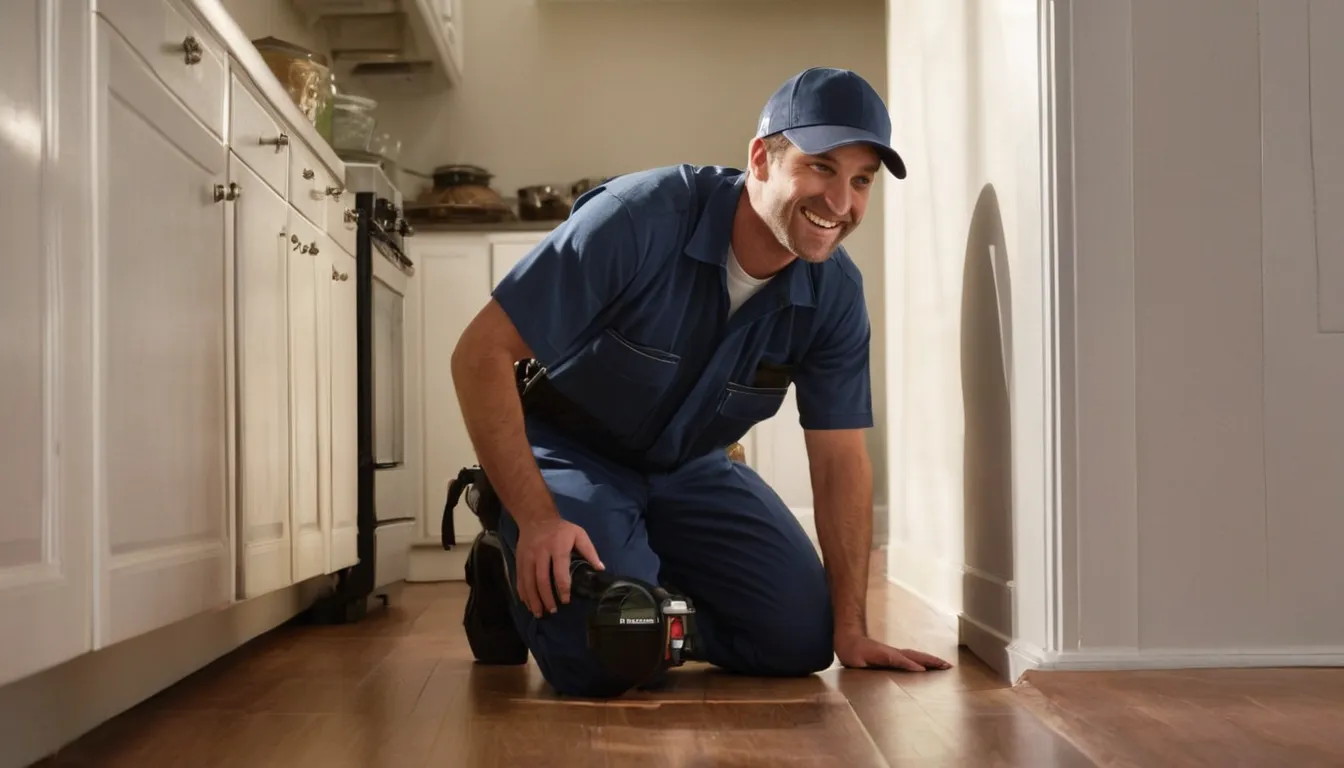
Pest control is the work of finding what is living in your home, learning why it got in, and treating both problems. It covers common household pests such as ants, roaches, spiders, crickets, mice, rats and termites. A good visit ends with a plan, not just a spray.
Autumnfirst Pest Control is a referral service. We do not do the pest work ourselves. We route your request to an independent provider in our network, and that provider inspects, treats and follows up. Request a callback to check provider availability, or request an estimate and describe what you are seeing. Fixing it properly protects the house, its condition and its resale value.
Pests in the house? Start here
You saw a roach at midnight. Droppings behind the stove. Ants along the baseboard. Whatever it is, the first step is the same: get a trained provider to look at it.
Pest control means three things. Identify the pest. Find how it got in and what it feeds on. Treat the problem and block the cause. Skipping any step usually means the pests come back.
Autumnfirst Pest Control is a referral service. Routed, not performed. We pass your request to an independent provider in our network, and that provider does the work.
Sort the urgent from the routine
Not every pest needs the same speed. Here is a simple order.
- Act first: signs of termites, bed bugs, rats in living areas, or pests near food prep and sleeping areas.
- Act soon: mice, roaches, or ant trails that keep returning.
- Schedule normally: a few spiders, crickets or seasonal ants with no sign of nesting indoors.
If you are unsure which group you are in, describe what you see when you reach a provider. They can tell you how to prioritize.
Why acting early protects your home value
Pests rarely stay small. Mice chew wiring and insulation. Roaches spread through wall voids. Termites eat structural wood for months before anyone notices.
A buyer's inspector looks for exactly these signs. Visible damage, droppings or a termite note on a report can slow a sale or lower an offer. Early treatment is usually a smaller job than repair after the fact.
Fix it properly now, and you keep options open later. Protect the house, and the house protects its value.
What a pest control visit covers
Providers vary, but a solid visit follows a clear order.
- Inspection. Inside and out: kitchens, baths, attic, garage, crawl space or slab edges, and the foundation line.
- Identification. The species decides the method. A product that works on ants may do nothing for roaches.
- Treatment. Baits, gels, dusts, traps or targeted sprays, placed where the pest actually travels.
- Exclusion. Sealing gaps, fixing door sweeps and screens, and noting moisture issues.
- Report. A summary of what was found, what was done and what to watch.
Common pests providers treat
Most residential calls involve a short list of pests.
- Ants: trails to food and water. Baits often work better than spraying trails.
- Roaches: hide in warm, damp spots and breed quickly.
- Spiders: usually a sign of other insects feeding nearby.
- Crickets: enter in warm months and chew fabric and paper.
- Mice and rats: squeeze through small gaps, gnaw, and leave droppings.
- Termites: feed on wood from inside. Treatment is a specialty and has its own page on this site.
Bed bugs and other indoor biters
Bed bug treatment is its own kind of job. These insects hide in mattress seams, bed frames and furniture. Bites alone do not confirm them. A provider looks for shed skins, small dark spots and live bugs.
Expect a plan with preparation steps, treatment and a follow-up check. Do not move bedding to other rooms before the visit. That can spread the problem.
What local conditions mean for your house
Hot, humid summers push pests indoors and speed up breeding. Heavy thunderstorms and the remains of tropical systems flood nests and send ants, roaches and rodents looking for dry ground. Occasional ice storms do the same with cold.
House type matters too. Crawl spaces trap moisture and give rodents cover. Slab homes have cracks and plumbing gaps near the foundation. Older mill-era houses often have worn trim, gaps in brick and settled siding. Newer subdivisions bring disturbed soil and fresh construction gaps. A good provider checks the features your house actually has.
Questions about product safety
Ask before the visit. Reasonable questions include:
- What products will be used, and where?
- Are there steps for children, pets, or anyone with asthma?
- How long should people and pets stay away from treated areas?
- Can baits or traps replace spraying in some rooms?
Providers read and follow the product label. Many can adjust the method for sensitive households. Tell them about pets, fish tanks and anyone who is pregnant or has breathing problems.
One-time treatment or ongoing plan?
A one-time treatment suits a single, clear problem, like a wasp nest or a short ant run. An ongoing plan suits pests that return each season, older homes with many entry points, or any house that has had rodents.
Ongoing plans usually mean scheduled exterior treatment plus checks inside. Ask what each visit includes and what happens if pests show up between visits.
Choosing a pest control provider
An exterminator near me search gives you a long list. Narrow it with plain questions.
- Does the provider hold the license your state requires?
- Do they inspect before quoting?
- Is the quote written and itemized?
- Do they explain the products and the follow-up plan?
Be careful with anyone who quotes over the phone with no inspection, or who pressures you to sign right away.
Helping the treatment work
You can make a visit more effective.
- Store food in sealed containers.
- Fix leaks and dry damp areas.
- Clear clutter from under sinks and along walls.
- Trim branches and shrubs away from siding.
- Keep firewood and mulch away from the foundation.
Follow any prep list the provider gives you. It matters.
Who does what
Autumnfirst Pest Control takes your request and routes it to a provider in our network. We do not do pest treatment, set prices or visit your home. The provider you are matched with handles the inspection, the quote and the work. Request a callback to check provider availability in the Fletcher area.
What's Included
Full Inspection
The provider checks inside and outside the house to find the pest, its path in and what feeds it.
Targeted Treatment
Baits, dusts, traps or sprays go where the pest travels, matched to the species.
Entry Sealing
Gaps, sweeps and screens are noted or sealed so pests have a harder time returning.
Follow-Up Plan
You get a clear summary of the findings, the work done and what to watch for next.
Typical Pest Control Costs
Prices depend on the pest, house size, and how much is infested. These are typical U.S. ranges only. Ask the provider for a written quote after the inspection.
| Service | Typical range | Notes |
|---|---|---|
| Initial inspection | $0 – $150 | Some providers fold it into the treatment price |
| One-time general treatment | $100 – $350 | Ants, spiders, crickets and similar pests |
| Roach treatment | $150 – $500 | Often needs a follow-up visit |
| Ongoing plan (per visit) | $40 – $150 | Quarterly or monthly, varies by house size |
| Bed bug treatment | $300 – $2,500 | Depends on rooms and method used |
| Rodent control program | $200 – $800 | Trapping plus sealing entry points |
How It Works
Call or Request
Request a callback or submit the form and describe the pest you are seeing.
Routed to a Provider
Autumnfirst Pest Control passes your details to an independent provider in our network.
Inspection and Quote
The provider inspects, identifies the pest and gives you a written quote.
Treatment and Follow-Up
You approve the plan, the provider treats the home and checks results.
Why Call Autumnfirst Pest Control
Clear Roles
Autumnfirst Pest Control routes the request. An independent provider does the work. Nothing is blurred.
Local Providers
Requests go to providers who serve the Fletcher area and know local housing.
No Obligation
Request an estimate and compare. You decide whether to book the work.
House First
The goal is a proper fix that protects the home and its resale value.
Other Services
Need pest control in Fletcher?
Describe the problem and where you live. Autumnfirst Pest Control routes your request to an independent local provider who can follow up with a written quote.
No obligationPest Control FAQ
How do I know if I need an exterminator or can handle it myself?
Occasional ants or a single spider can often be managed at home. Repeat roaches, mice, bed bugs, or any sign of termites call for a provider, since store products often miss the source.
Is pest control safe for kids and pets?
Providers follow product labels and can often choose baits or targeted methods. Tell them about children, pets and health concerns before the visit, and ask how long to stay out of treated areas.
How often should a house have pest control?
It depends on the pest and the home. Many homes with seasonal problems use quarterly visits. A single, clear problem may need just one treatment. Ask the provider to explain the schedule.
Reach a local provider
Describe the problem and where you live. Autumnfirst Pest Control routes your request to an independent local provider who can follow up with a written quote.
No obligation